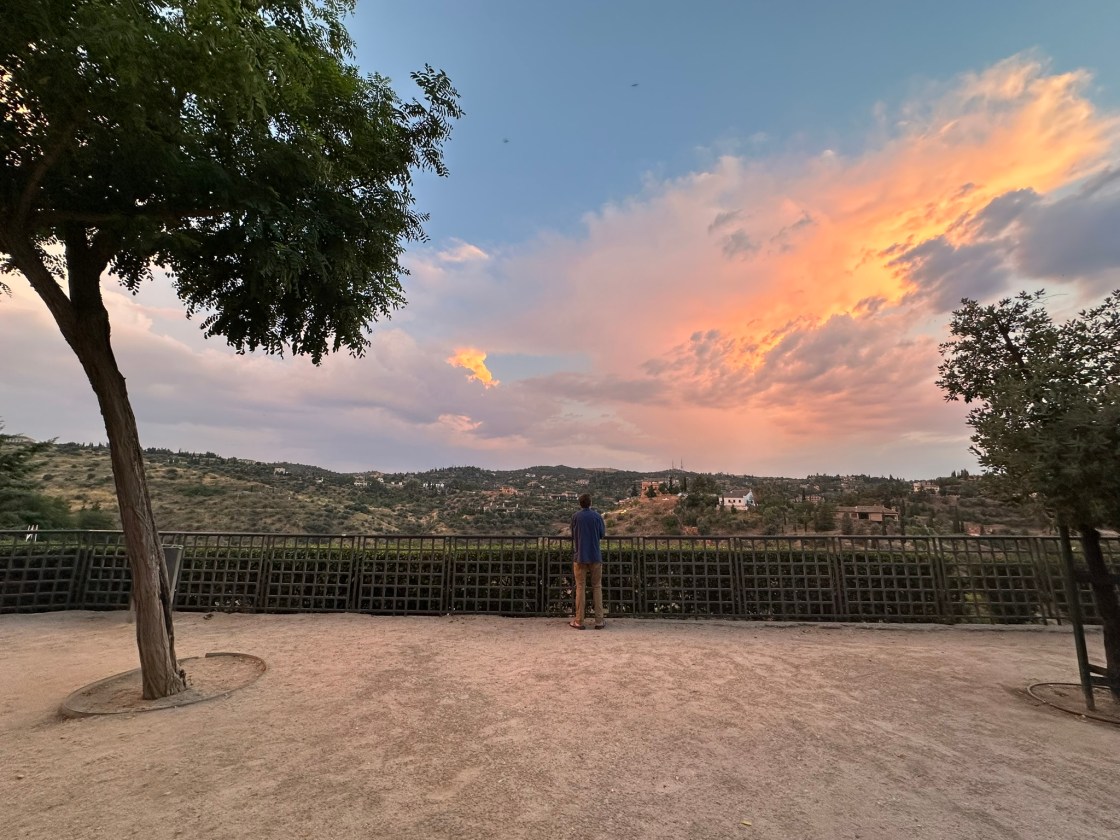
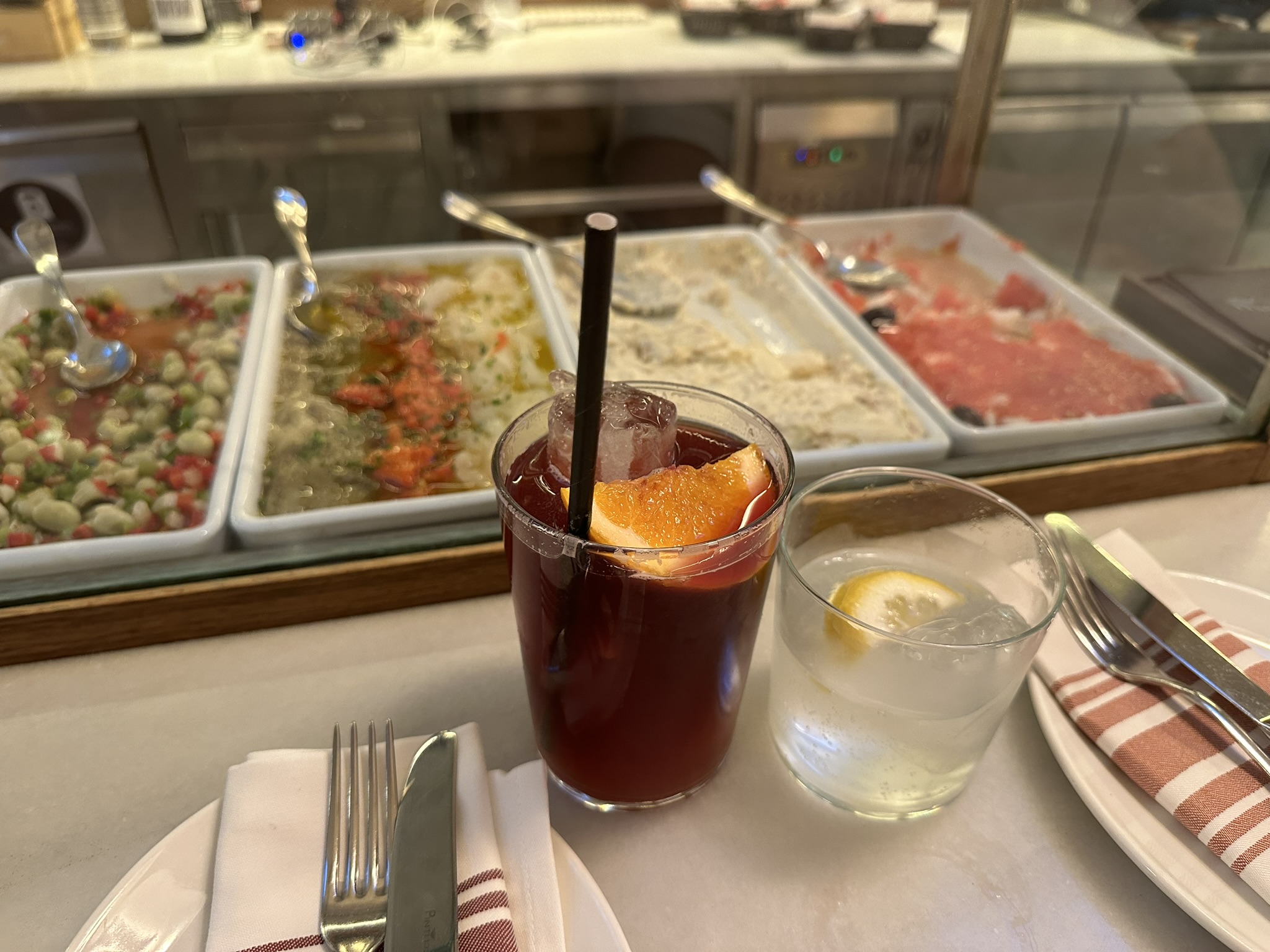
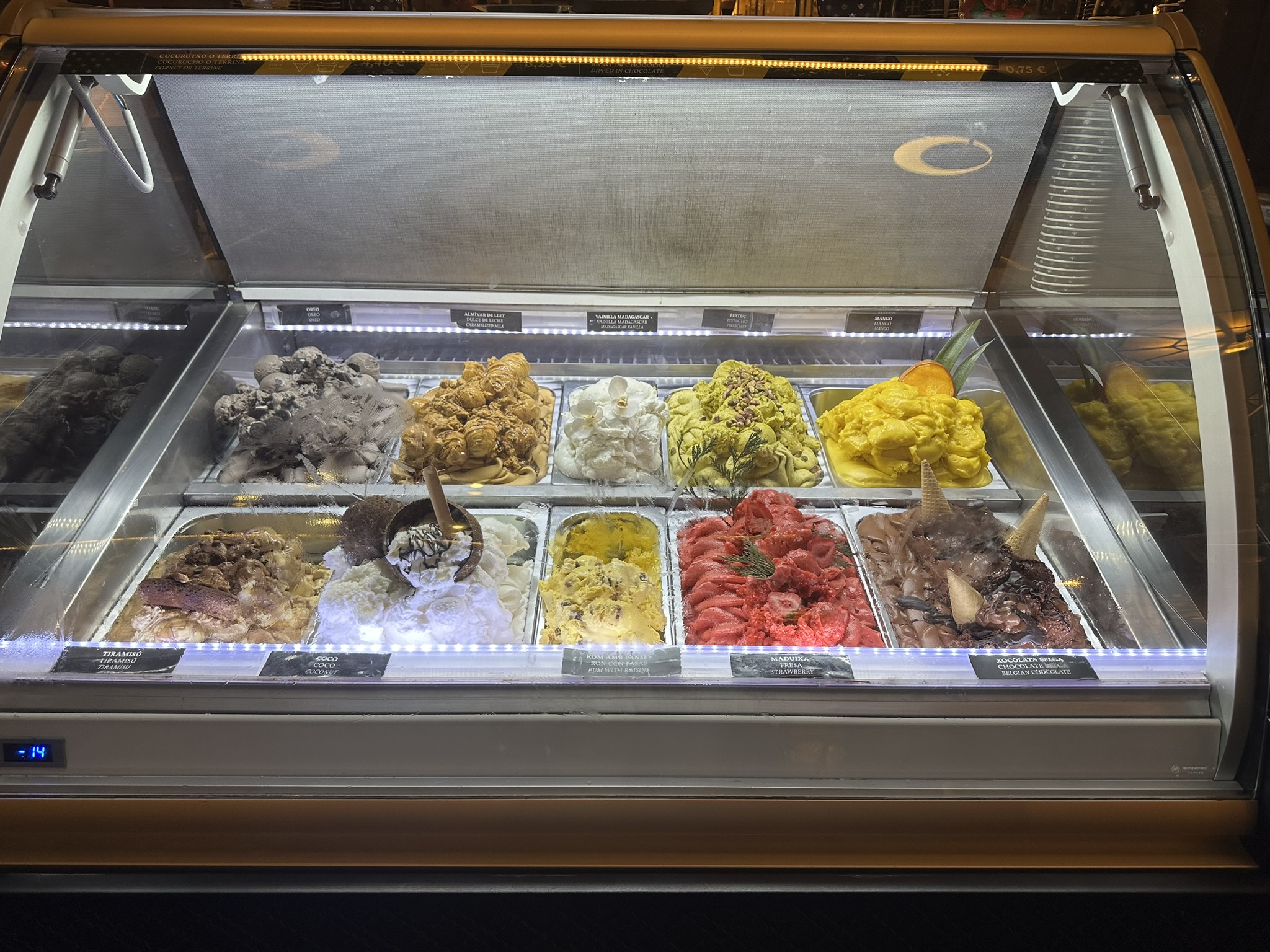
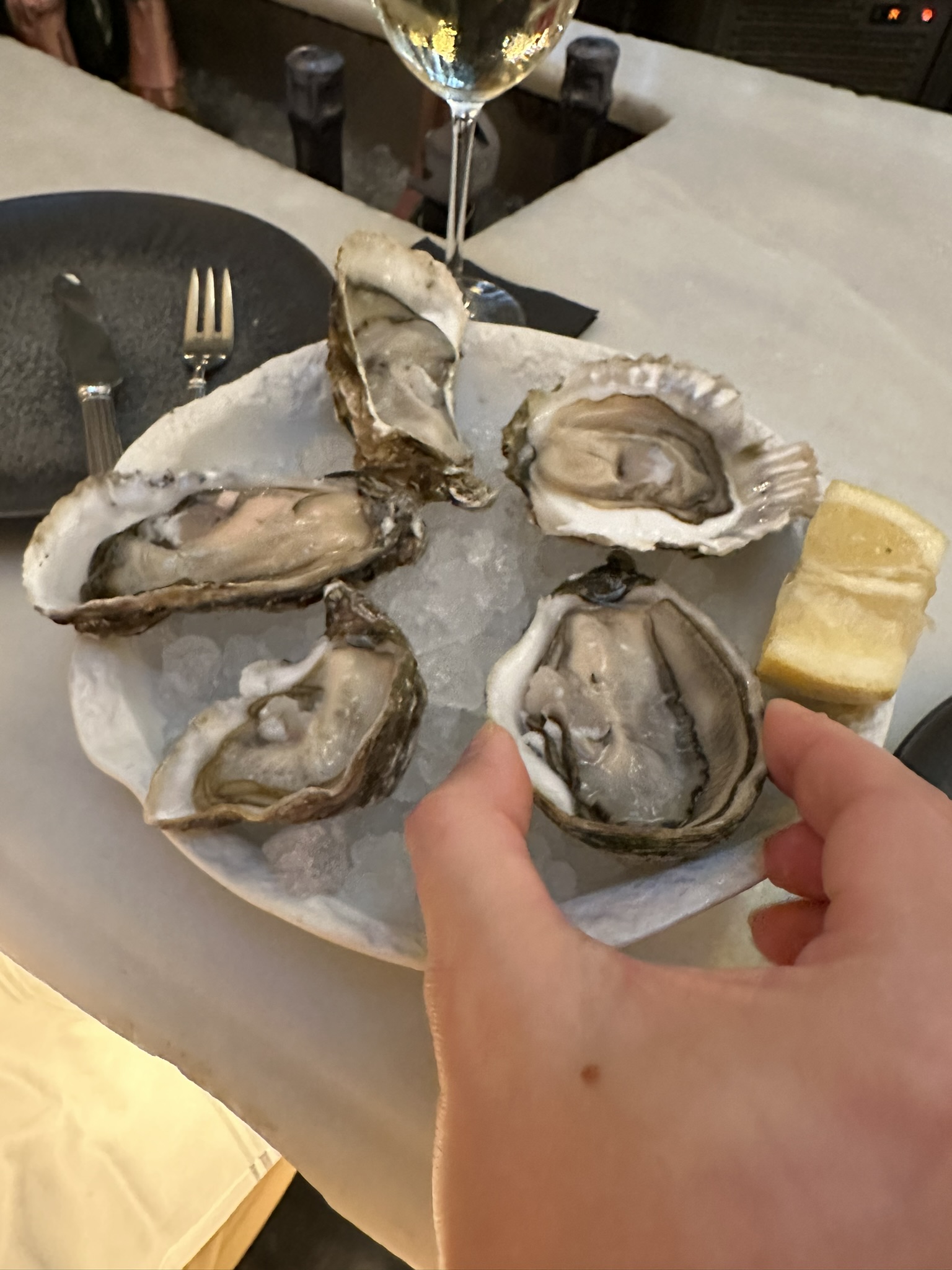
I recently came back to work after a 5 week sabbatical, the 4 weeks I earned from working at Adobe for 5 consecutive years and the week-long summer shutdown for US employees. I traveled, I ate yummy food, and saw a lot of art.
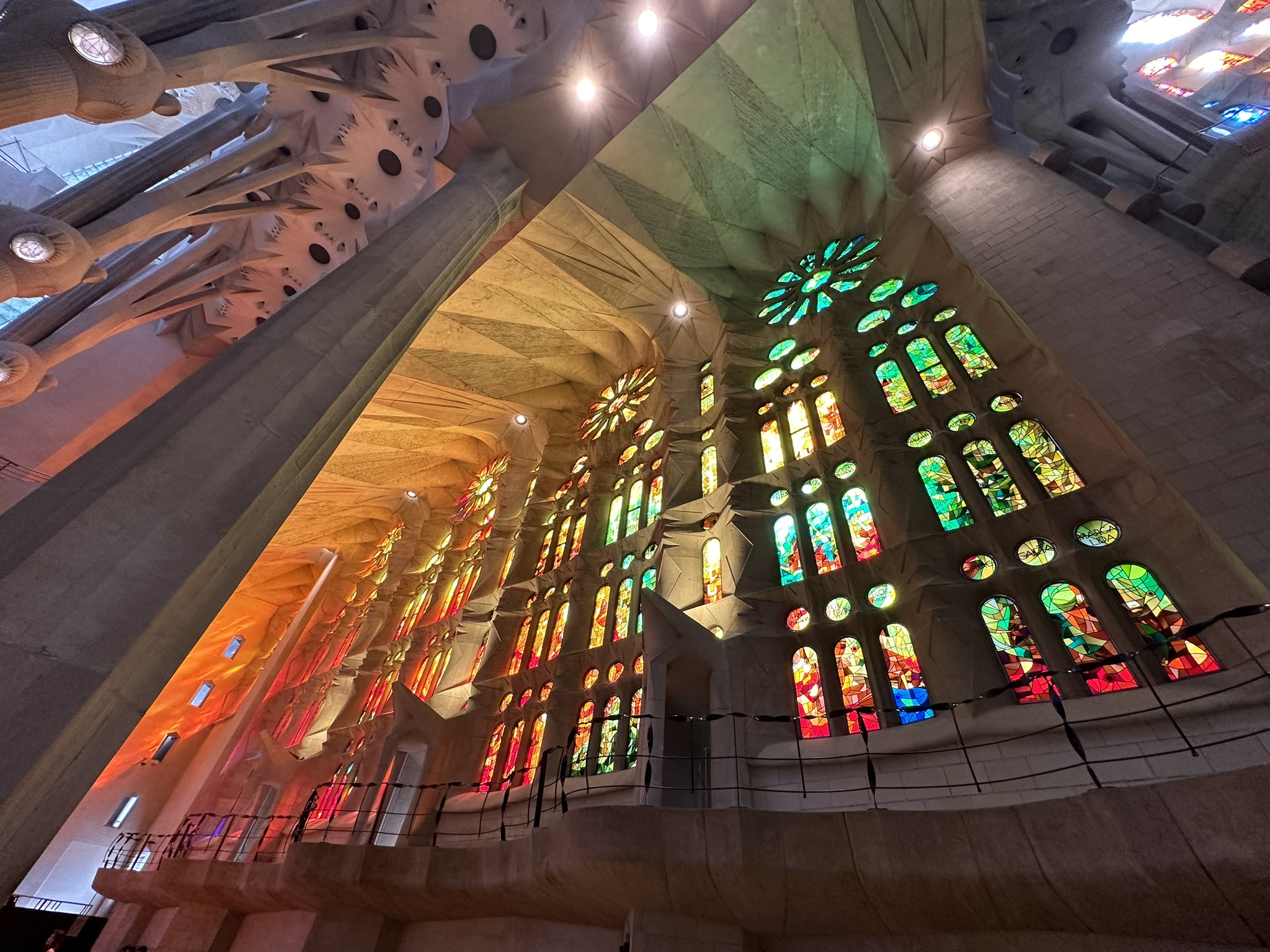

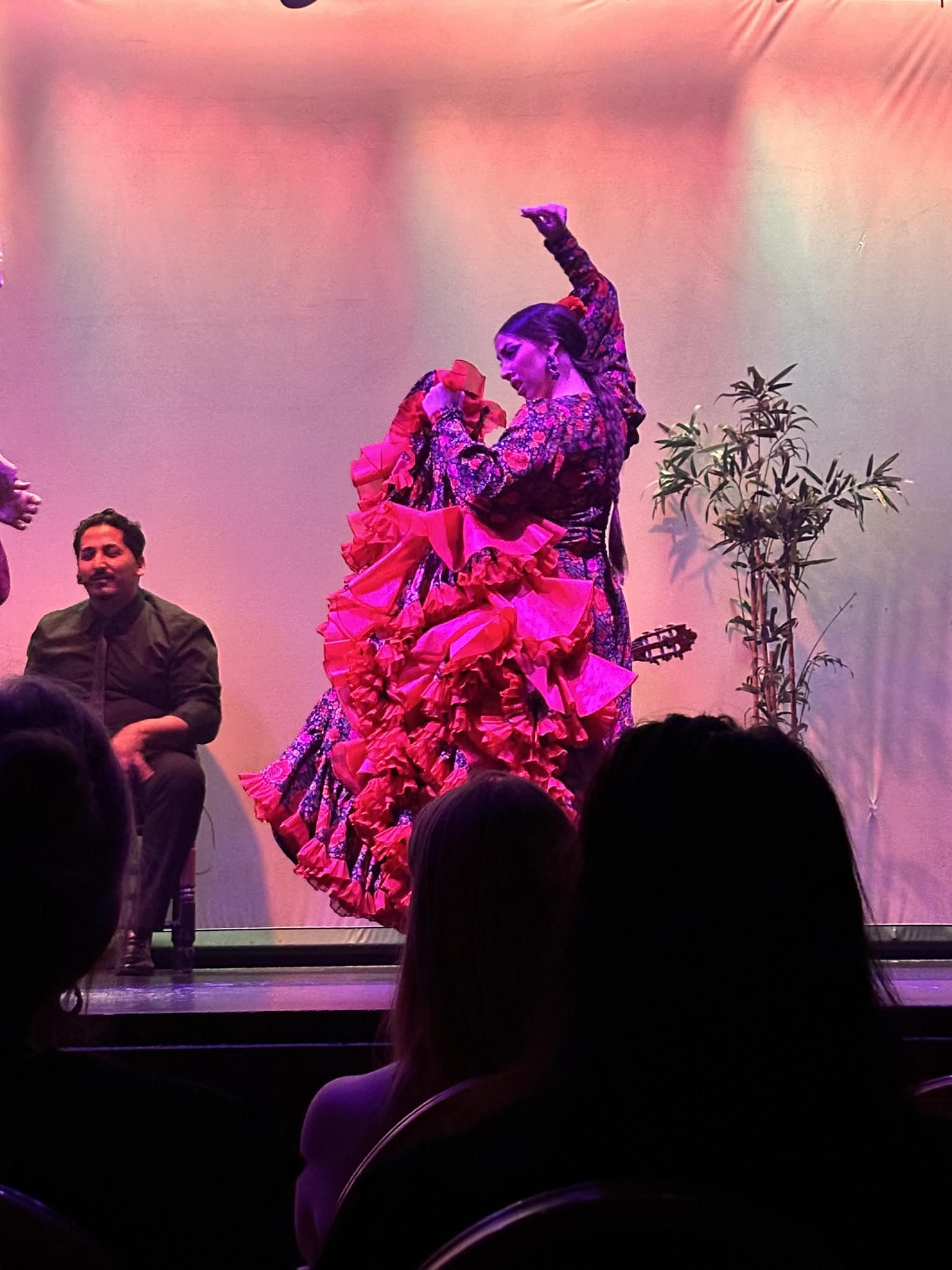
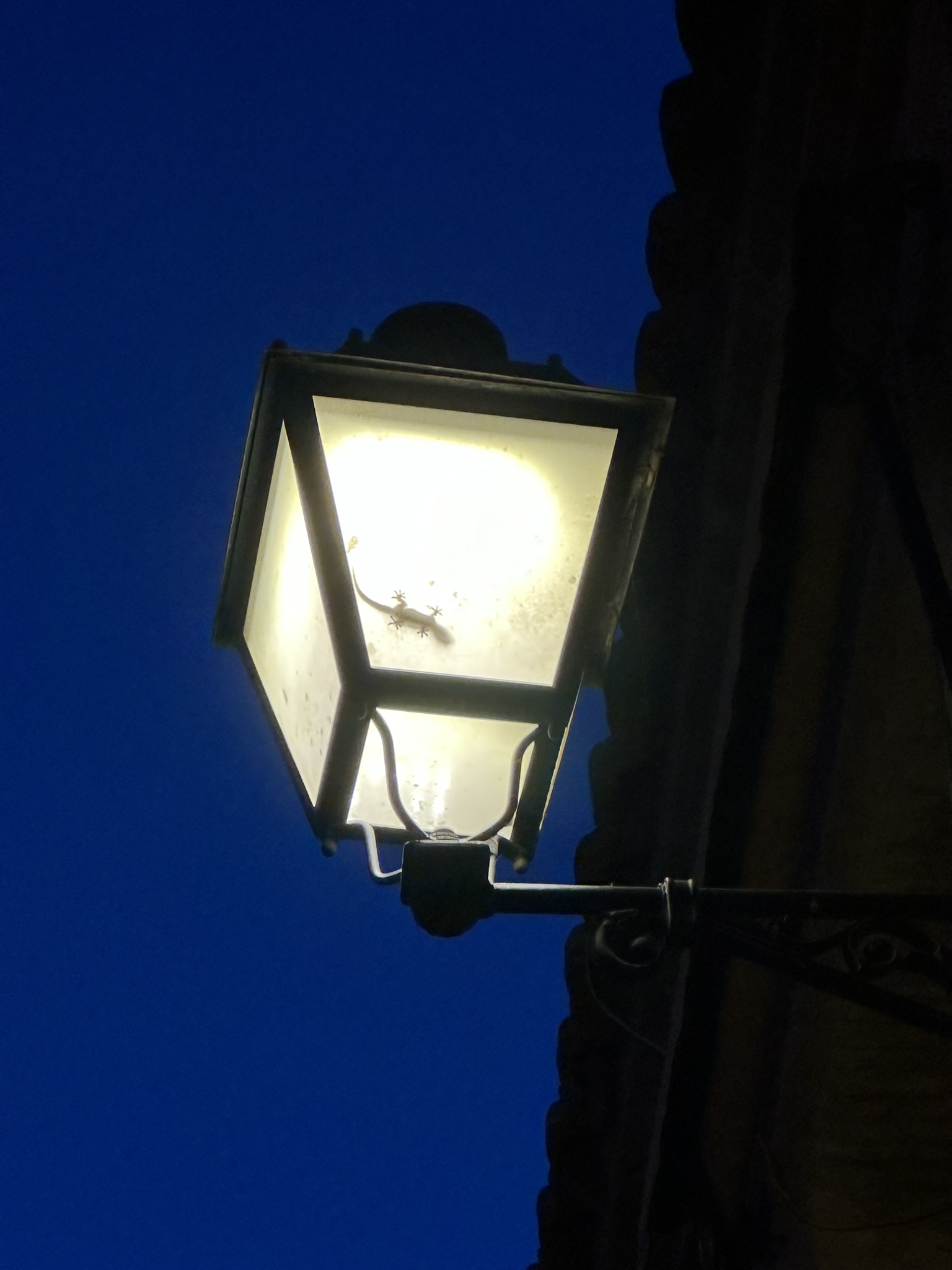
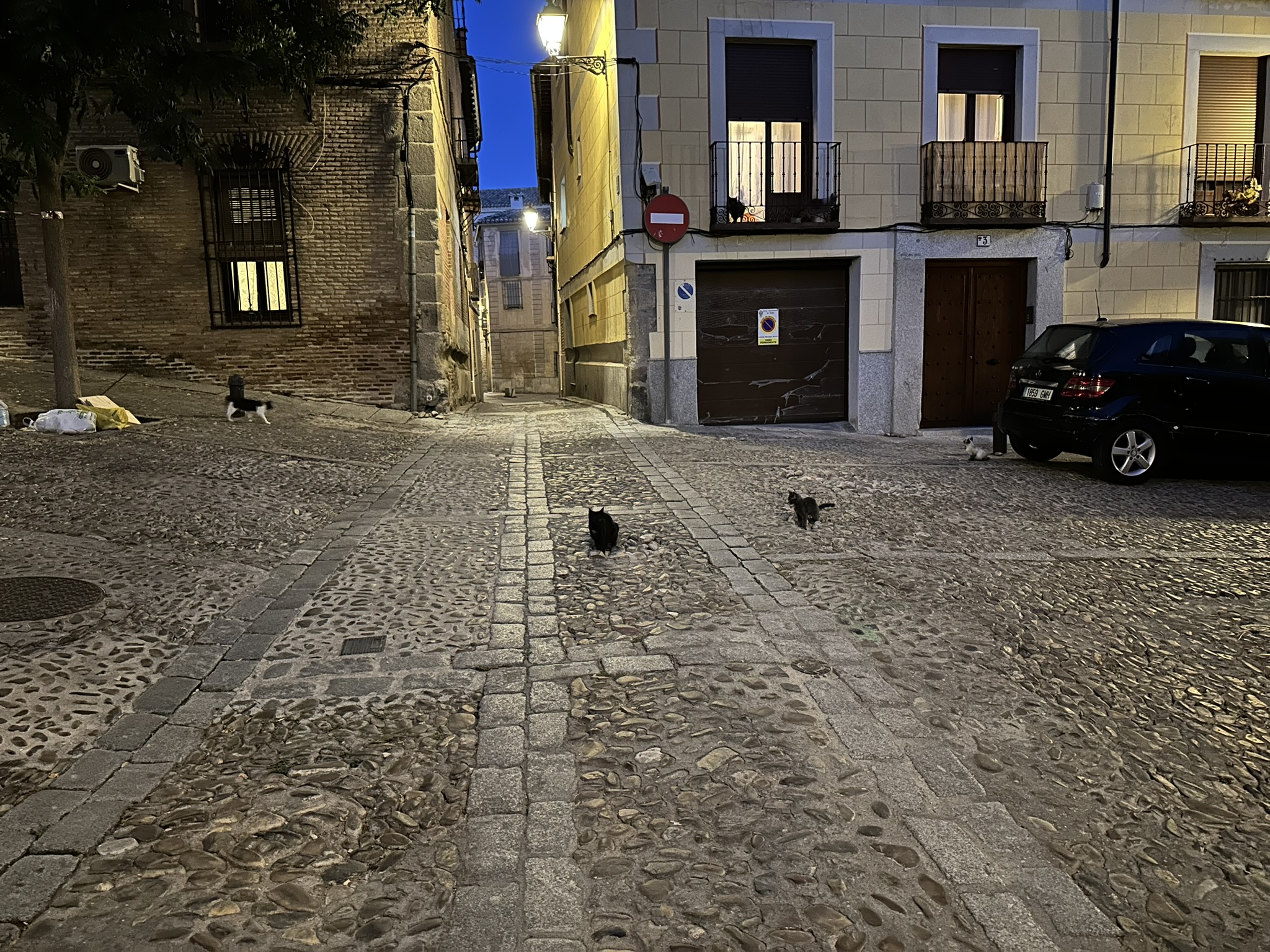
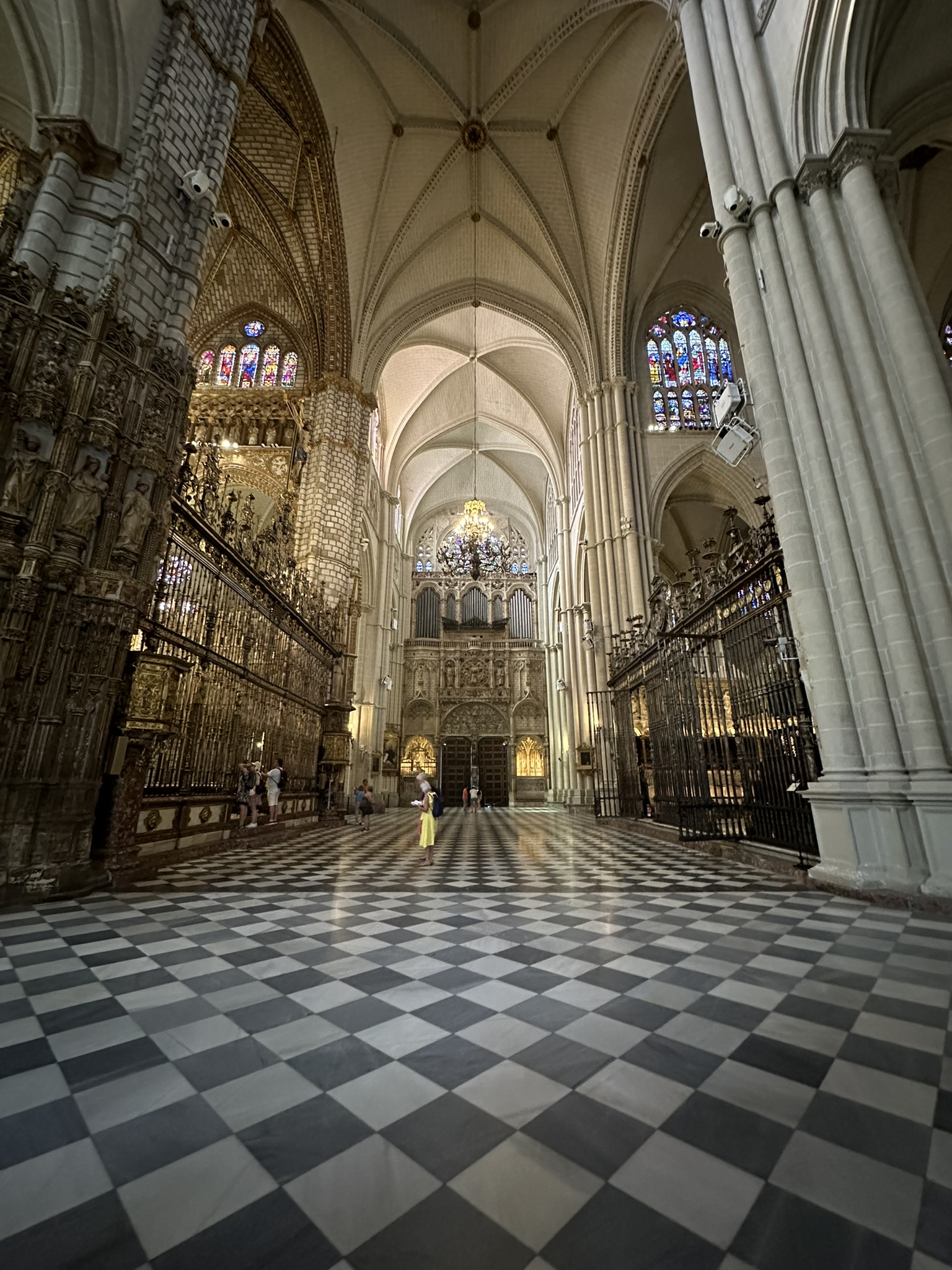
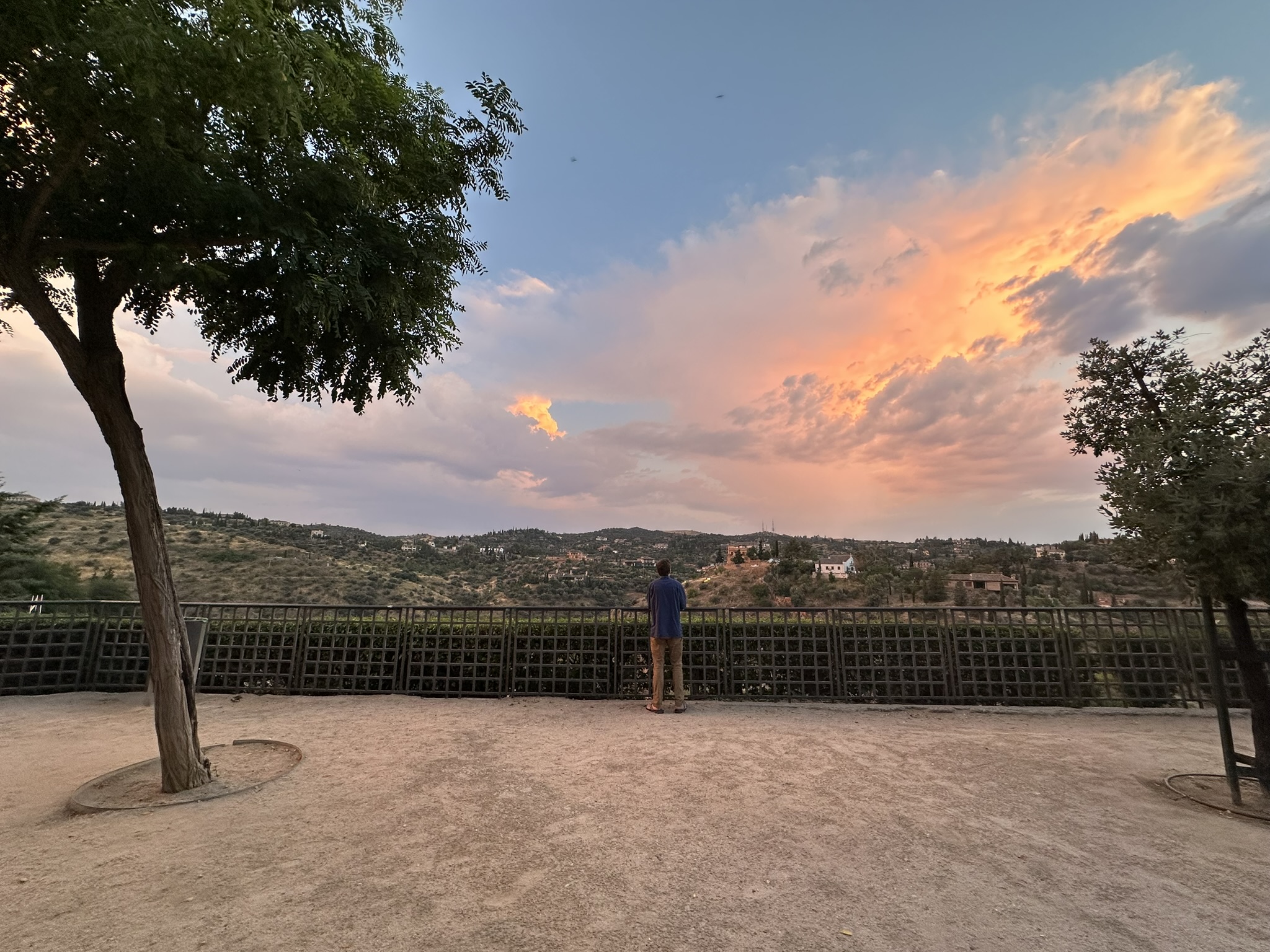
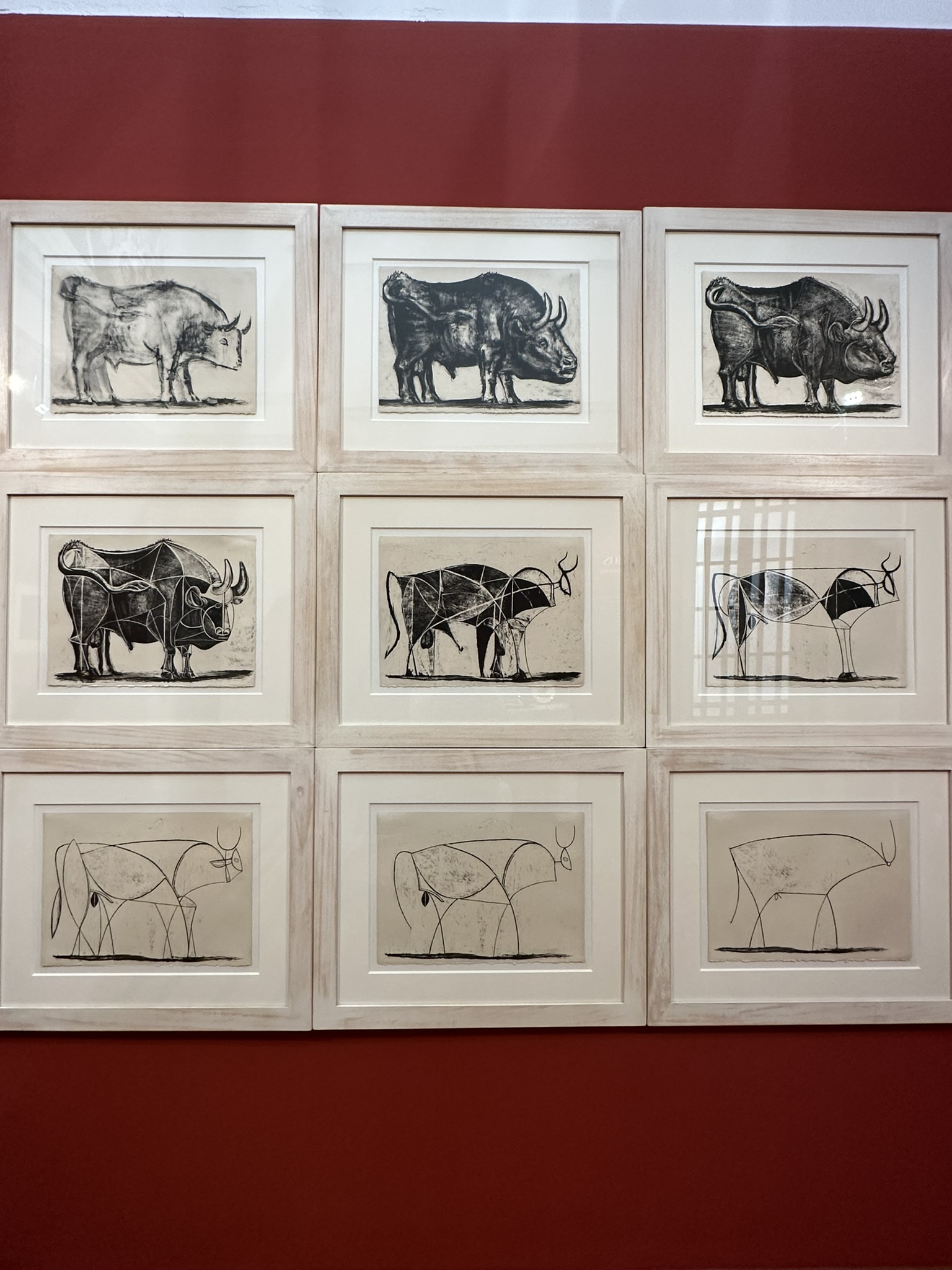
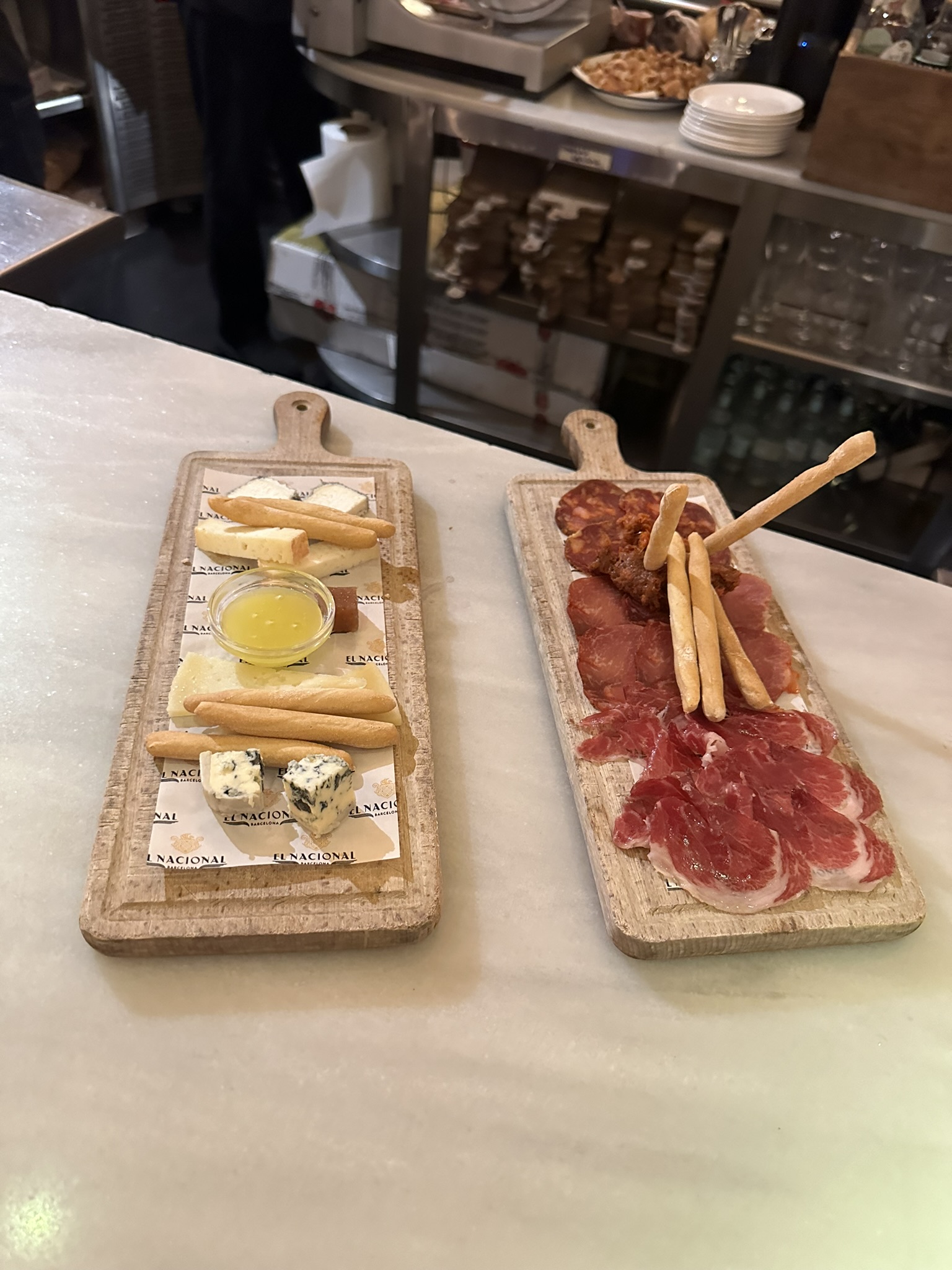
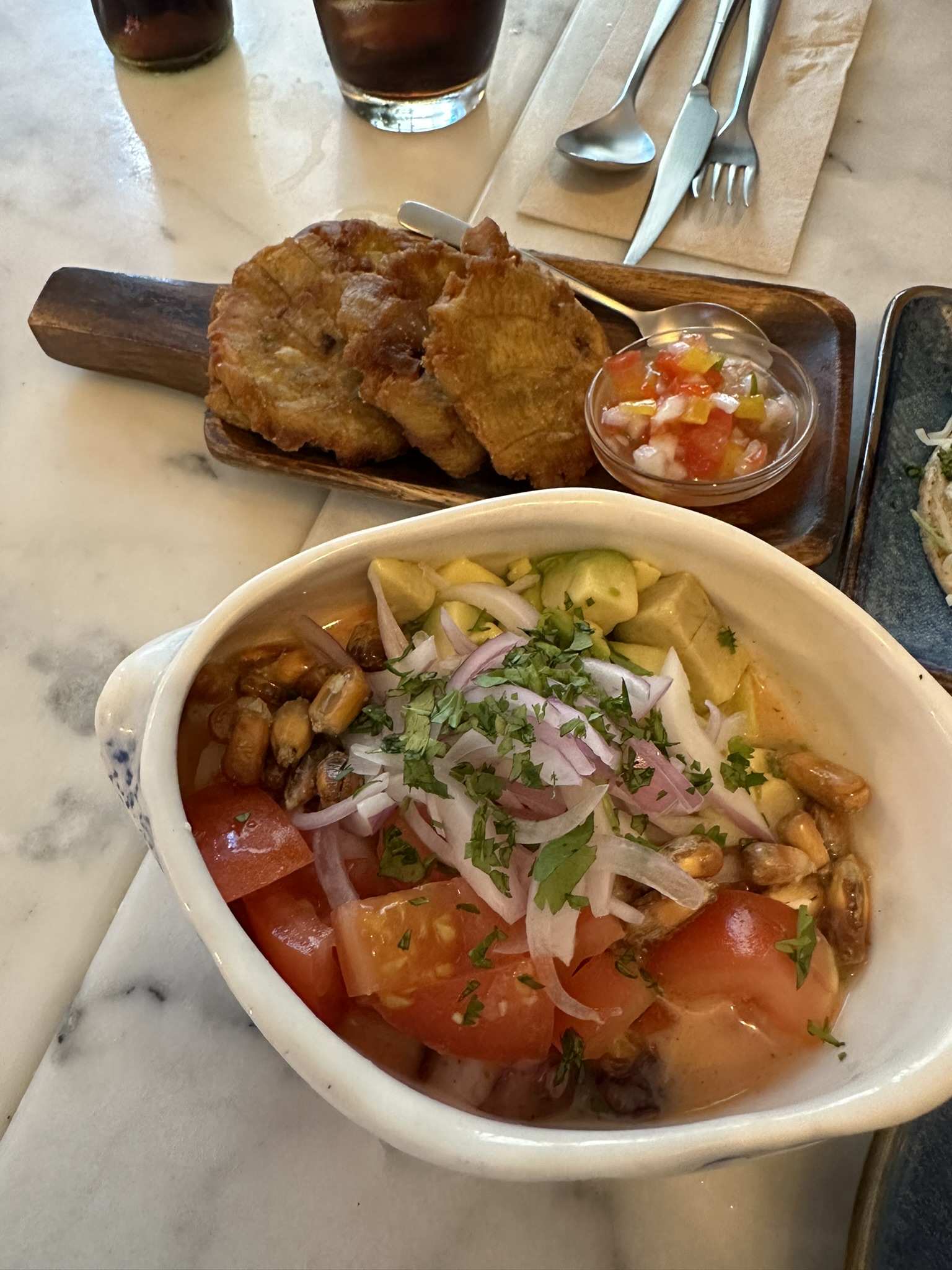
I saw Picasso sketchbooks, Gaudí architecture and the golondrinas (swallows in English) that inspired Bécquer. My main takeaway from all that silence and time is that the “greats” are known for a selection of their best work, yet once they reach renown even their smallest, simplest works are valued over thousands of dollars. So to that I say, that in order to reach greatness we need to make a lot of “sketches.” Practice your crafts, make lots of mistakes, and keep a record proudly. For every incredible painting, each artist devoted time to practice techniques, draw compositions, draft ideas, and discard decisions that did not result in their vision.
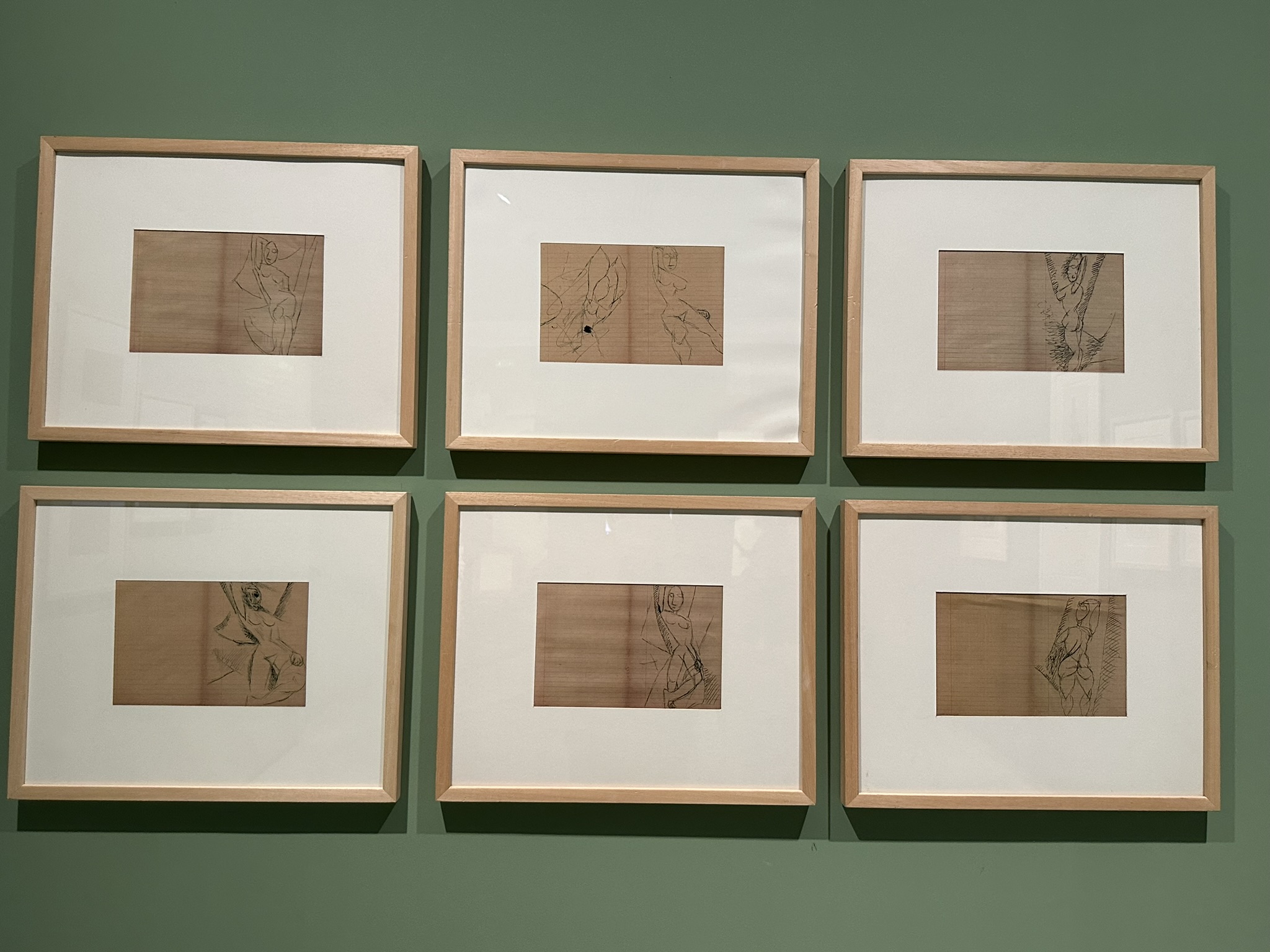
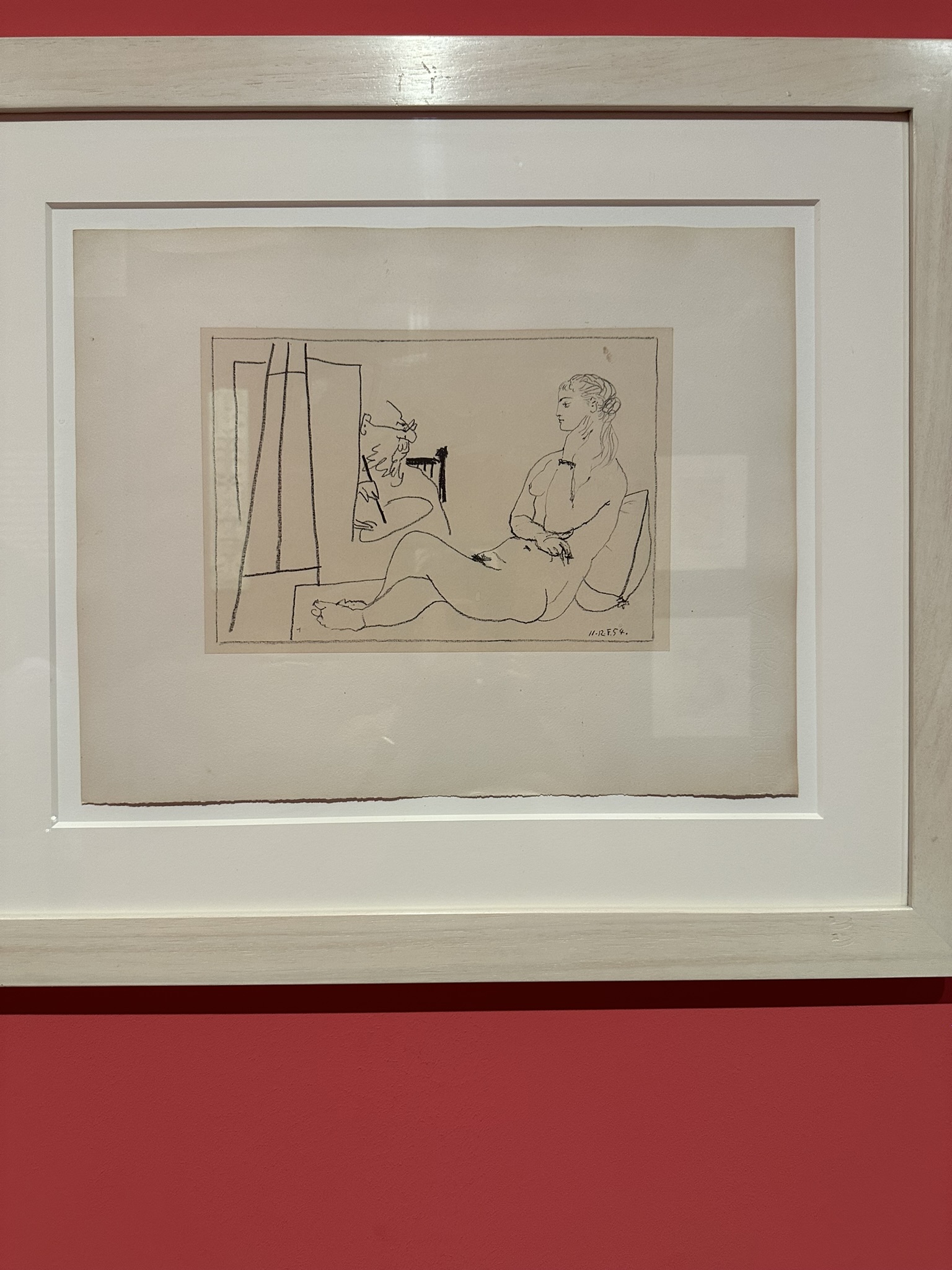
As a believer that all things are connected and that a lesson in one area applies in all others, this idea of sketches and experimentation in art also applies to how we choose to live our lives. Every day, every moment, we get to choose a new palette, we can paint over old paintings, we can paint the same subject hundreds of times until we are happy.
There have been times in my life when I have taken a break from art. Frustrated at the gap between what I see in my mind and the mess my hands produce, I would often pause and reflect if this was the best way to use my time. I had the same thoughts as a software engineer earlier in my career, if what I produced was such a mess… then what was the point in doing it?
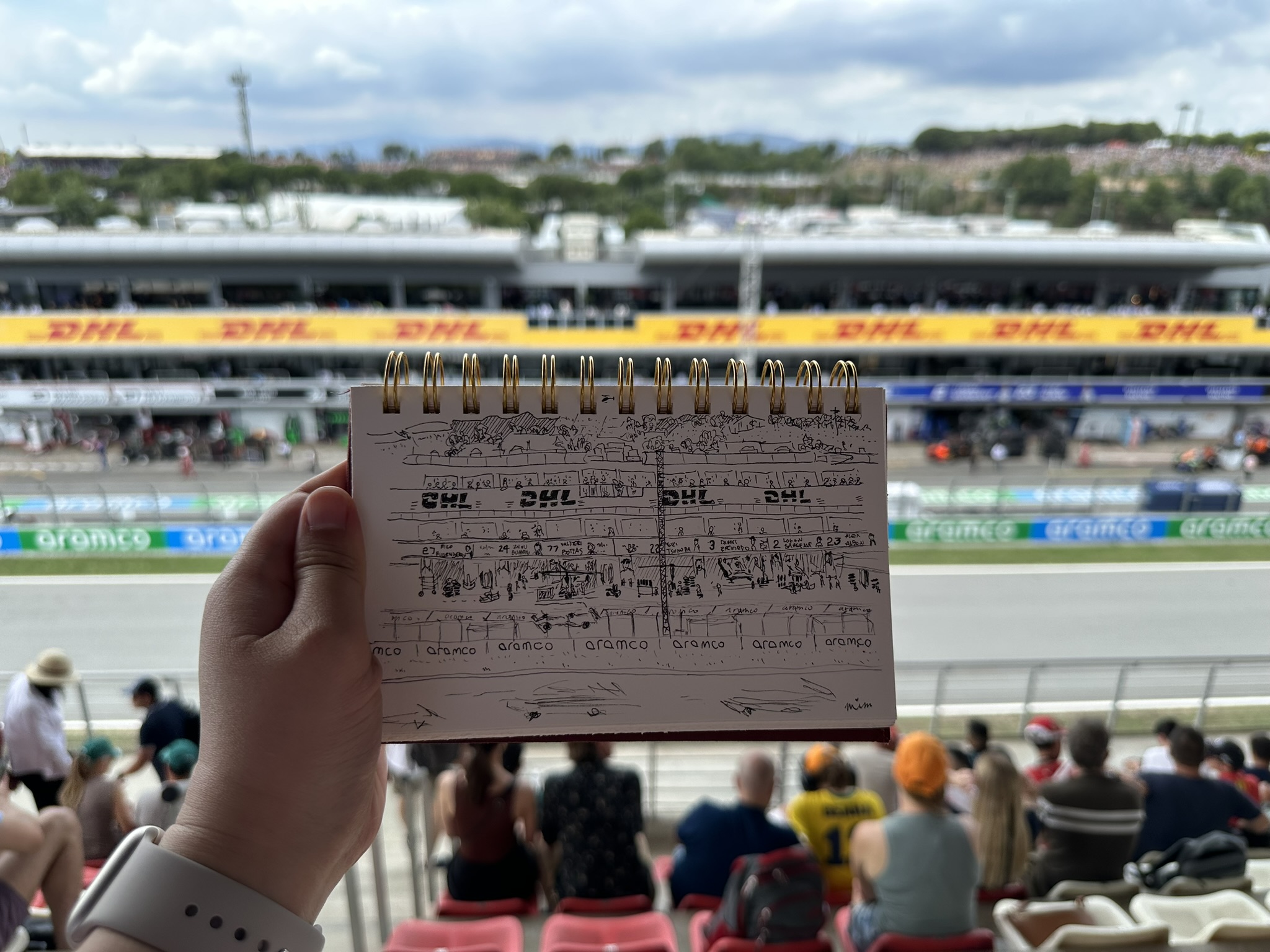
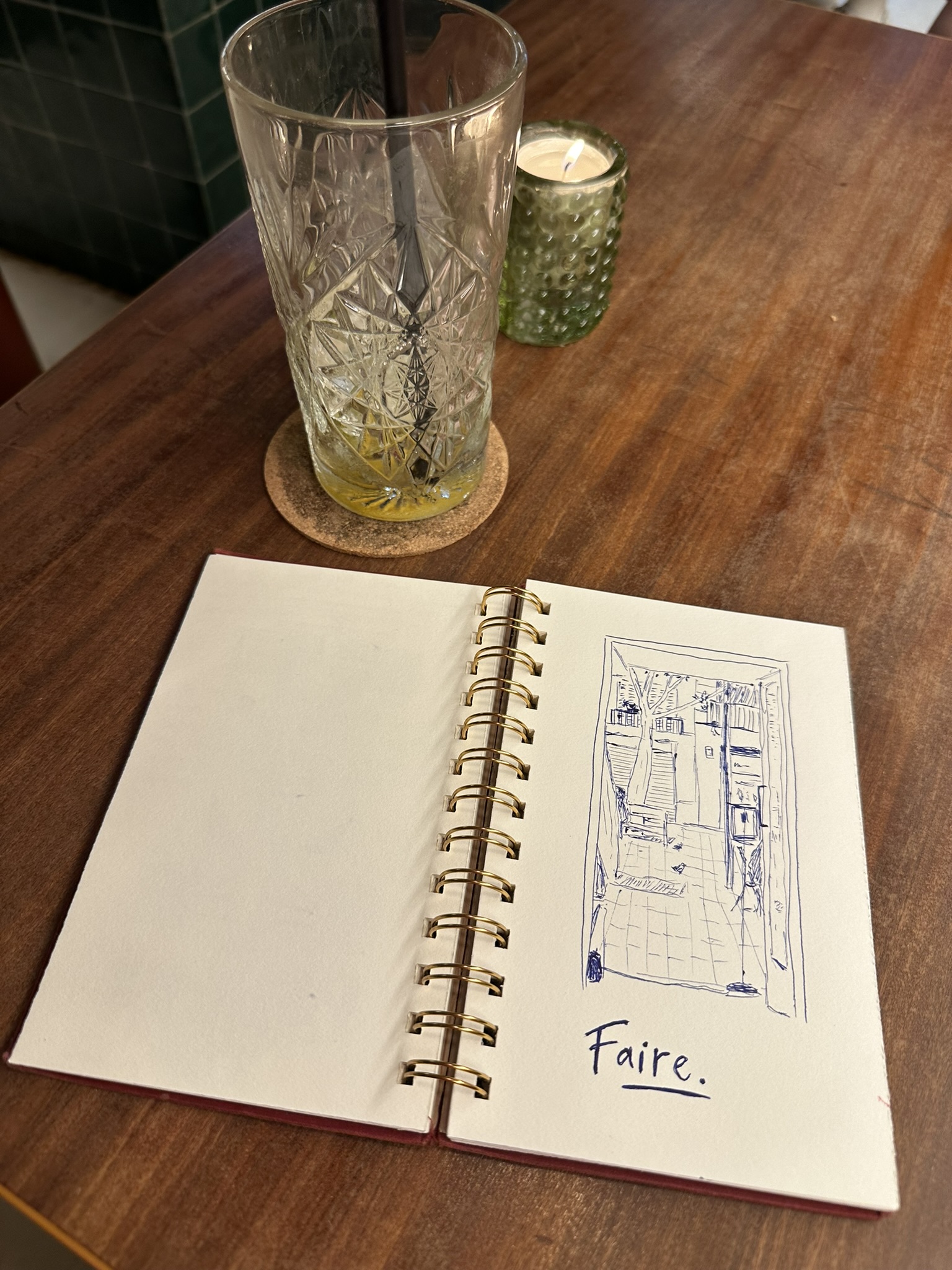
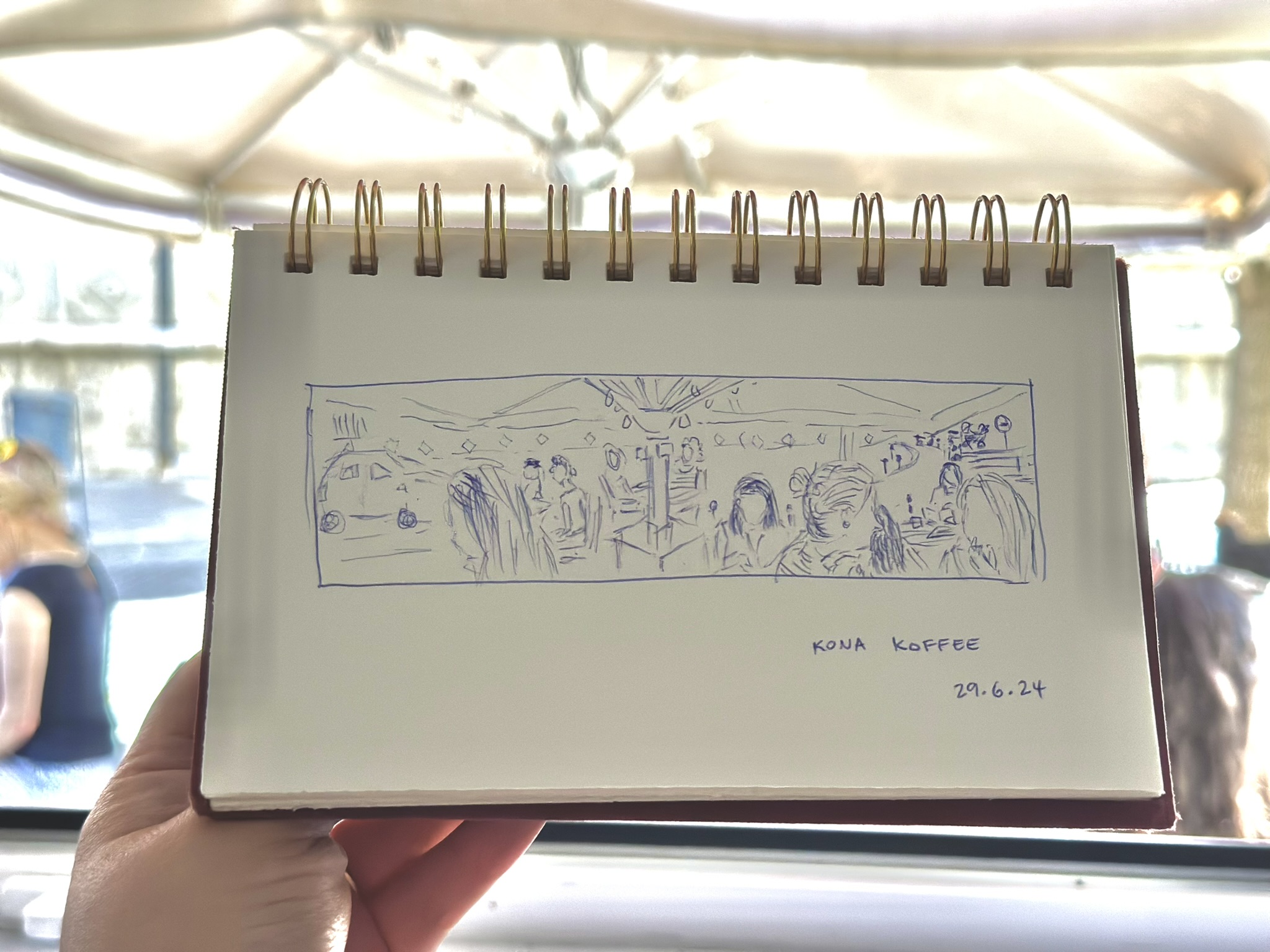
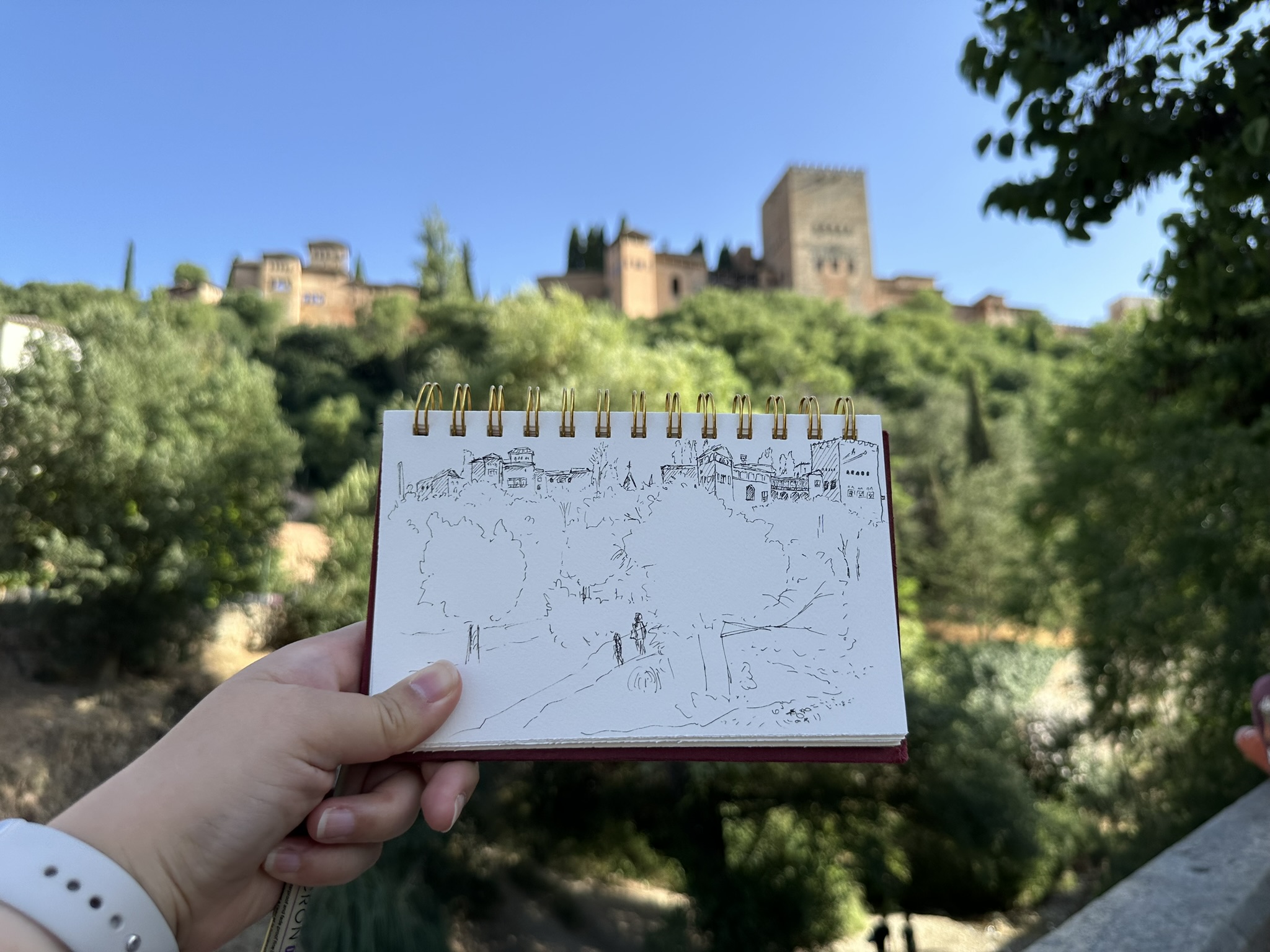
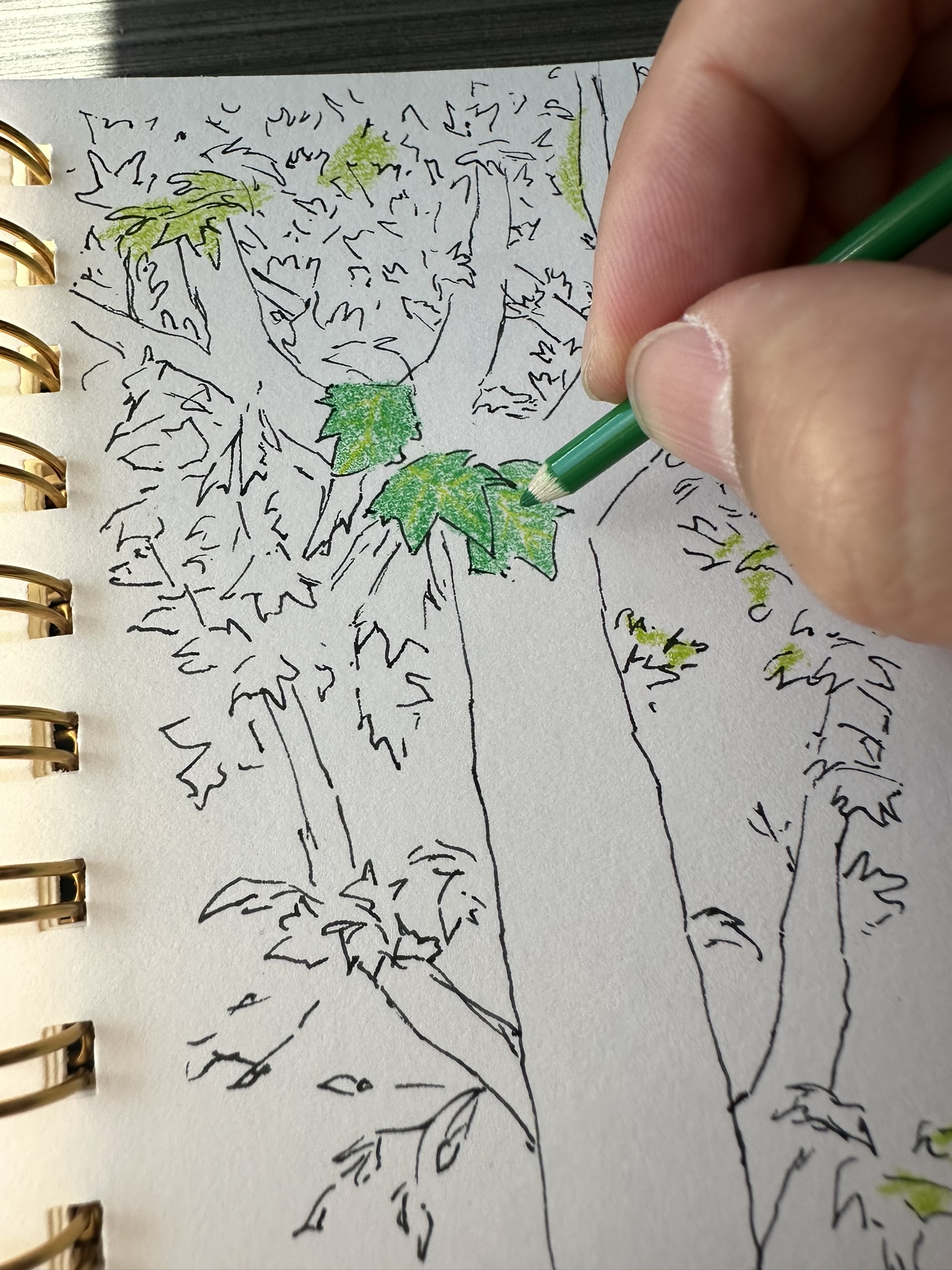
Not everything an artist makes is a masterpiece. And not everything dubbed great is what the artist wanted to make. As I spent time with my crafts, music, writing, drawing, or just thinking, I come closer to a deeper truth of how to love the world I live in, how to enrich that experience, and how to transform it. “Beauty is in the eye of the beholder” not because beauty is subjective, but because in being seen that which exists gains importance and beauty. Our standards of beauty as a society are controlled and manipulated by mainstream media, the fashion industry, and our complicity as we internalize subliminal messaging. Art teaches us to redefine the narrative.
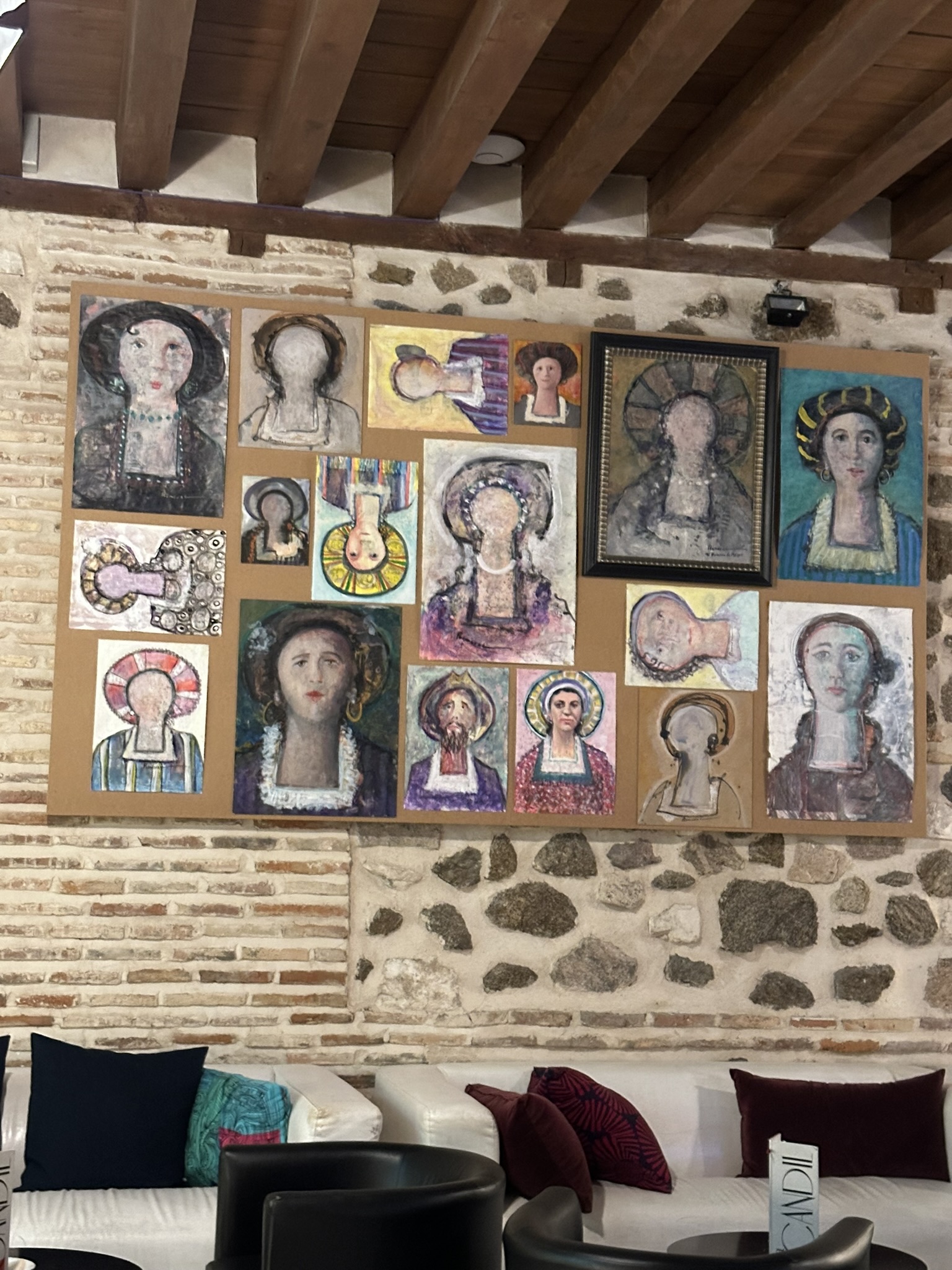
When we see something for the first time, when we shout our discovery from the rooftops, when we point at the glistening sun on a blade of grass with a camera, when we draw with food, when we write without rules, when we stare at a subject for hours to truly render its truth, then we discover beauty.
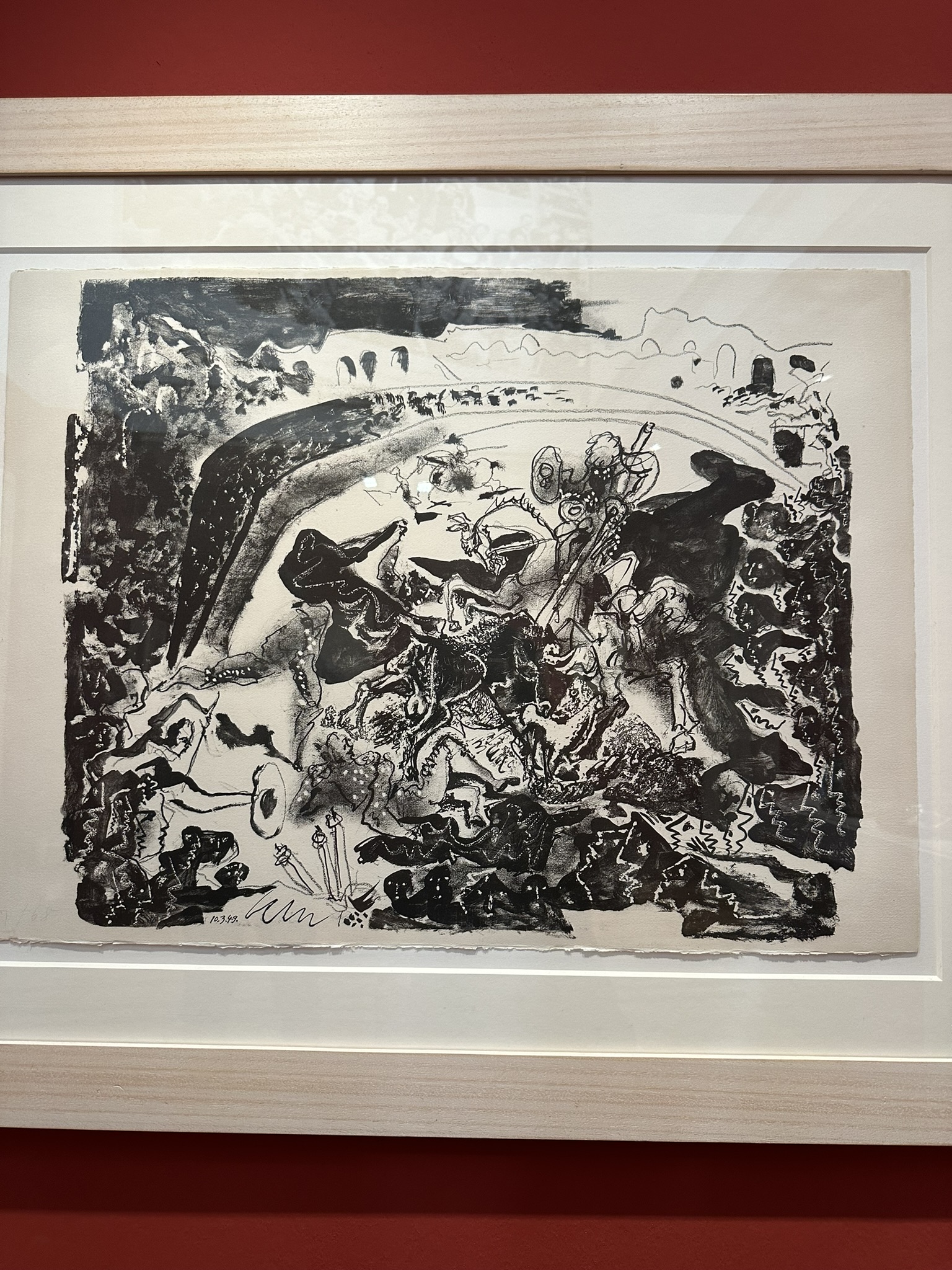
Our lives are painted on a canvas of time, we draw over and over again, play with themes and fables, put on costumes, shape attitudes to paint with different emotions, and often discover we may be plagiarizers. Human nature is to seek out patterns and to live those patterns. And the power of an artist, which is in all of us, is to learn to observe those patterns and to lean into them or break completely outside of their confines. Therein lies your creative freedom.
Keep choosing to live and make a mess, keep choosing to try and see the world with new eyes every day. Prejudice is born from seeing something a thousand times and applying it to one person. Love is born from seeing a person anew a thousand times and applying it to the world.
It’s possible I’ve already made a “masterpiece” in my lifetime, something that made someone happy, that touched them deeply and it’s even more possible it’s not immortalized on paper or on a screen. Maybe a passing word, a hug at the right moment, a comfort in a pressing time of need, and that’s good enough for me.
When I was a child, my mother said to me ‘If you become a soldier, you’ll be a general. If you become a monk, you’ll end up as the Pope. ‘ Instead, I became a painter and wound up as Picasso. ‘
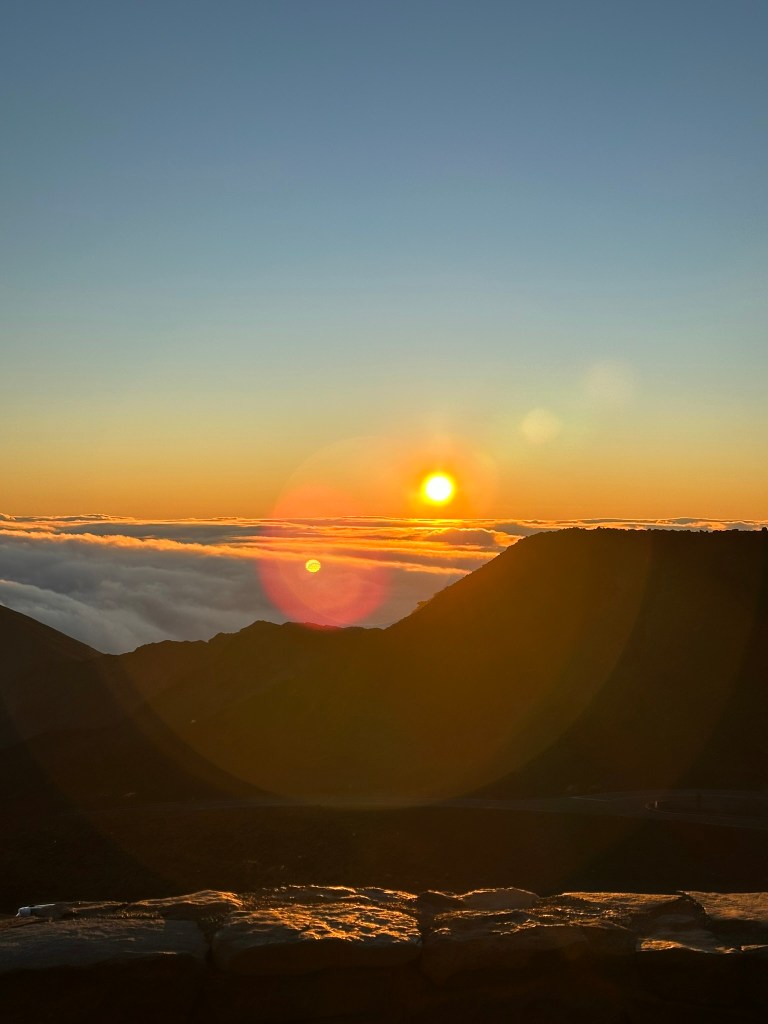
 Illustrated by Meli